The BBC’s “Human Intelligence” series recently highlighted Darwin’s transformative impact on scientific thought. His success stemmed not from dramatic breakthroughs but from an unwavering daily routine. For decades, he maintained strict hours for reading, writing, and contemplation – a methodical approach that enabled his wide-ranging discoveries.
This disciplined routine produced multiple groundbreaking works, including his 37-year study of earthworms. Through patient observation, he revealed how these small creatures gradually transformed landscapes through countless tiny actions. Each earthworm’s contribution seemed minor, but collectively, they altered entire ecosystems.
At Equine Match, we see clear parallels between Darwin’s systematic methodology and modern data science approaches to thoroughbred breeding. Like Darwin’s comprehensive specimen collections, we’ve amassed data on 4 million horses. From this vast dataset, we utilise a training dataset of 1.25 million horses foaled this century, capturing the full spectrum of performance outcomes – not just the success stories. This comprehensive approach eliminates the selection bias that can undermine machine learning models, just as Darwin’s thorough documentation of all variations, not just advantageous ones, enabled his insights about natural selection.
Our validation protocols mirror Darwin’s scientific rigour. He tested his theories meticulously, often for decades before publication. We employ log loss validation to ensure our models’ predictions hold up under scrutiny. This mathematical accountability brings unprecedented rigour to breeding decisions.
The collective impact of data analysis parallels Darwin’s earthworm discoveries. Just as he showed how millions of small actions could reshape landscapes, our machine-learning models process countless data points to reveal hidden patterns in thoroughbred pedigrees. Each race result and each breeding outcome adds another layer to our understanding.
Modern thoroughbred breeding stands at a crossroads. While some rely on traditional methods or superficial pattern matching, we follow Darwin’s example of methodical observation and rigorous validation. By bringing mathematical accountability to the bloodstock stage, we’re transforming how breeding decisions are made – not through revolutionary changes but through the careful accumulation and analysis of data validated against real-world outcomes.
Darwin showed how natural selection shapes species over generations. Today, we’re applying those same principles of careful observation and systematic analysis to improve artificial selection in thoroughbreds. The future of breeding lies not in dramatic breakthroughs but in the patient application of scientific methods to one of humanity’s oldest partnerships with animals.
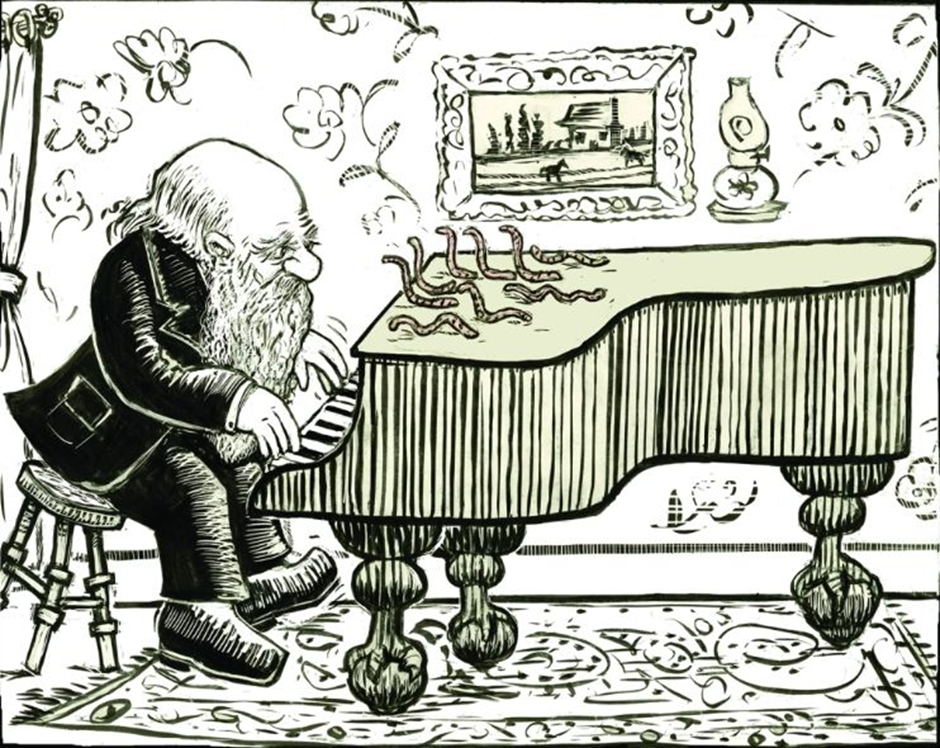
Photo Credit: Kevin McCloskey