Philip Tetlock’s research on superforecasting reveals principles we can apply to bloodstock analysis:
1. Start with the Base Rate: Thoroughbred analysis is often dominated by narrative–elaborate theories about linebreeding patterns without proper normalization. Superforecasters resist this allure and begin with what works consistently: sire success (normalized for mare quality), dam offspring performance, and dam race record.
Selection biases run rampant in traditional analysis – we remember spectacular successes while conveniently forgetting the many failures with identical breeding. Starting with normalized base rates, we resist these cognitive traps plaguing even experienced analysts.
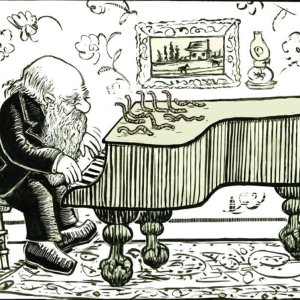
2. Break Complex Problems into Components (The Fermi Method): The classic example is “How many piano tuners are in Chicago?” Instead of guessing wildly, one breaks it down: How many pianos in Chicago? How often are pianos tuned? How long does tuning take? How many hours can a tuner work annually?
At Equine Match, our model implements this approach by breaking down bloodstock analysis into 30+ distinct variables, each carefully weighted and analysed before being synthesized into an overall assessment. This systematic breakdown moves us beyond gut feelings to data-driven conclusions.
3. Consider Multiple Perspectives: Traditional analysis is often binary and intuitive. Yearling out of an older mare? Strike. Trainer has had two unsound horses by the sire? Strike.
The superforecaster approach considers each factor through data modelling rather than making absolute judgments. Our model considers multiple factors simultaneously, assigning appropriate weight to each element rather than allowing any single issue to disqualify a prospect.
4. Update Beliefs Incrementally: As more data becomes available, superforecasters adjust their predictions. Similarly, bloodstock models should continually be refined with new information, with beliefs updated in proportion to the significance of new evidence.
5. Distinguish Between Uncertainty Types: Superforecasters recognize the difference between epistemic uncertainty (what we could theoretically learn) and aleatoric uncertainty (inherent randomness). This distinction is crucial when evaluating pedigrees, where traditional metrics often fail to capture genetic complexity.
Traditional pedigree analysis often relies on Inbreeding notations or counting ancestor frequency over various generations. While these provide basic insights, they fall short of capturing true genetic heterozygosity. The superforecaster mindset pushes us to acknowledge these limitations and develop more sophisticated approaches.
At Equine Match, we constantly iterate by adding new features and more data—both in volume and granularity—to refine our predictions over time. This commitment to continuous improvement mirrors the “perpetual beta” mindset Tetlock identified in the best forecasters
Image credit: Good Judgment